What Is a Learning Disability — and What Does Good Support Look Like?
When we hear the term learning disability, it can be easy to focus immediately on what a person may find difficult. They might need support to understand information, learn new skills, communicate their needs or manage certain aspects of everyday life. But a learning disability is only one part of a person’s life. It does not tell us everything about their abilities, personality, preferences or potential.
Good support begins with understanding this.
What is a learning disability?
A learning disability affects the way a person learns, understands information and develops certain everyday skills. It usually begins before adulthood and can have a lifelong impact. However, the level and type of support someone needs can vary considerably.
One person may need relatively little support and live independently, work, maintain relationships and manage many areas of their own life. Another person may have more complex needs and require ongoing support with communication, personal care, health, safety or daily activities.
This is why it is important not to make assumptions based simply on the words “learning disability”. Two people with the same diagnosis can have very different strengths, needs and experiences.
It is also worth understanding that a learning disability is not the same as a learning difficulty. In the UK, the term learning difficulty is often used for conditions that affect particular areas of learning, such as dyslexia. A person with a specific learning difficulty does not necessarily have an intellectual impairment. A learning disability has a broader effect on intellectual ability and everyday functioning.
That distinction matters because using the right language helps us understand the type of support a person may need.
Seeing the person, not the disability
One of the foundations of good support is recognising the individual before the diagnosis.
People with learning disabilities have their own personalities, interests, routines, relationships, ambitions and opinions. Someone may love music, dislike crowded places, enjoy cooking, support a particular football team, prefer certain clothes or have very strong views about how they spend their time.
These details are not secondary to care. They are part of providing good care.
When support becomes too focused on tasks, routines and risk, it can unintentionally reduce someone’s life to what needs to be “done” for them. Good support asks a different question: What matters to this person, and how can I help them live the life they want as safely and independently as possible?
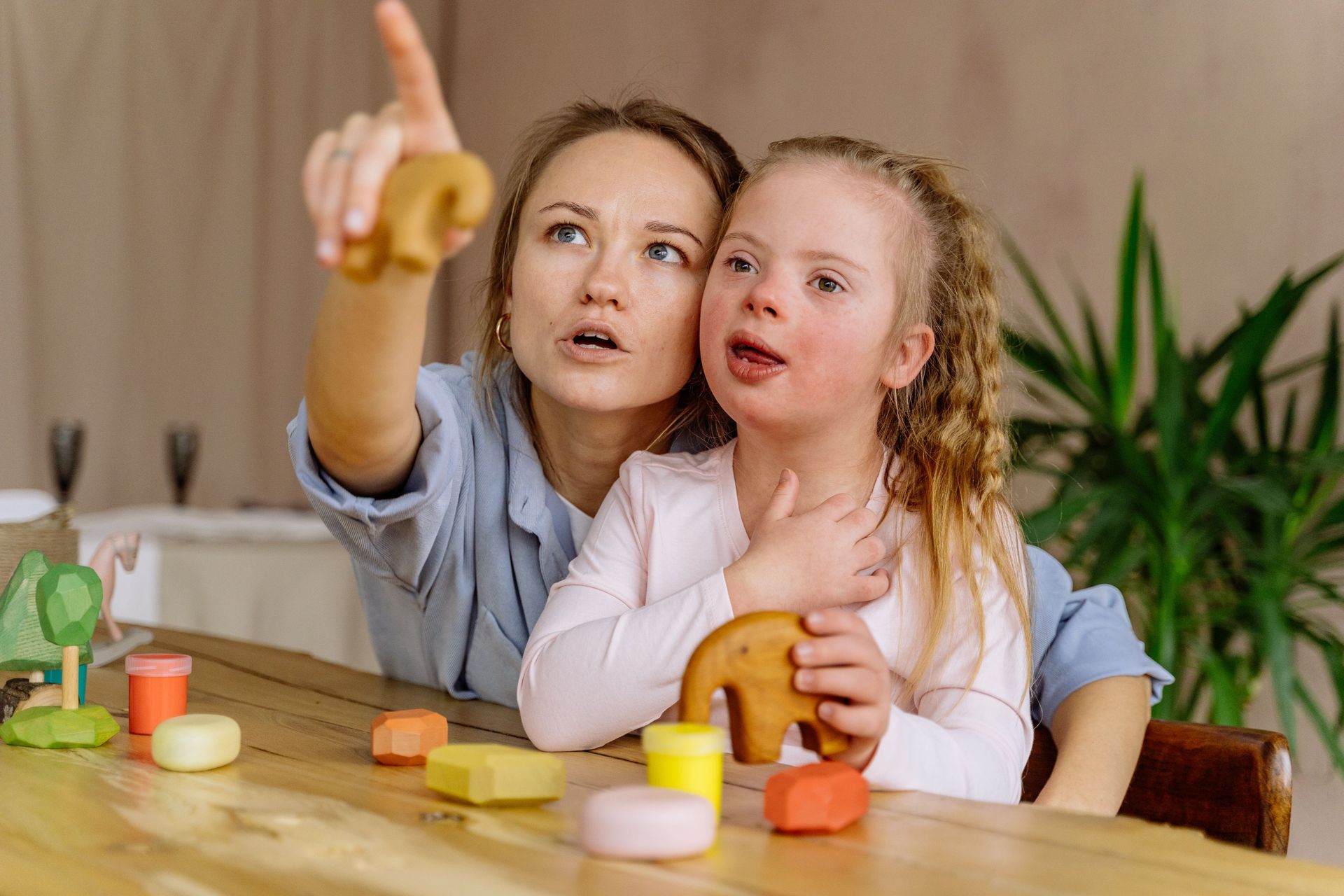
That may mean allowing more time for someone to complete a task themselves rather than stepping in because it would be quicker. It might mean explaining something differently when a person does not understand the first time. Sometimes it simply means listening carefully rather than assuming that the support worker knows best.
Communication is a major part of good support
Communication should always be adapted to the individual.
Some people with learning disabilities communicate verbally and can clearly explain what they want. Others may use pictures, symbols, signs, communication devices, gestures, facial expressions or behaviour to communicate.
Even when someone uses spoken language, complicated information can still be difficult to process. Long explanations, unfamiliar terminology or too many choices at once can make decision-making unnecessarily difficult.
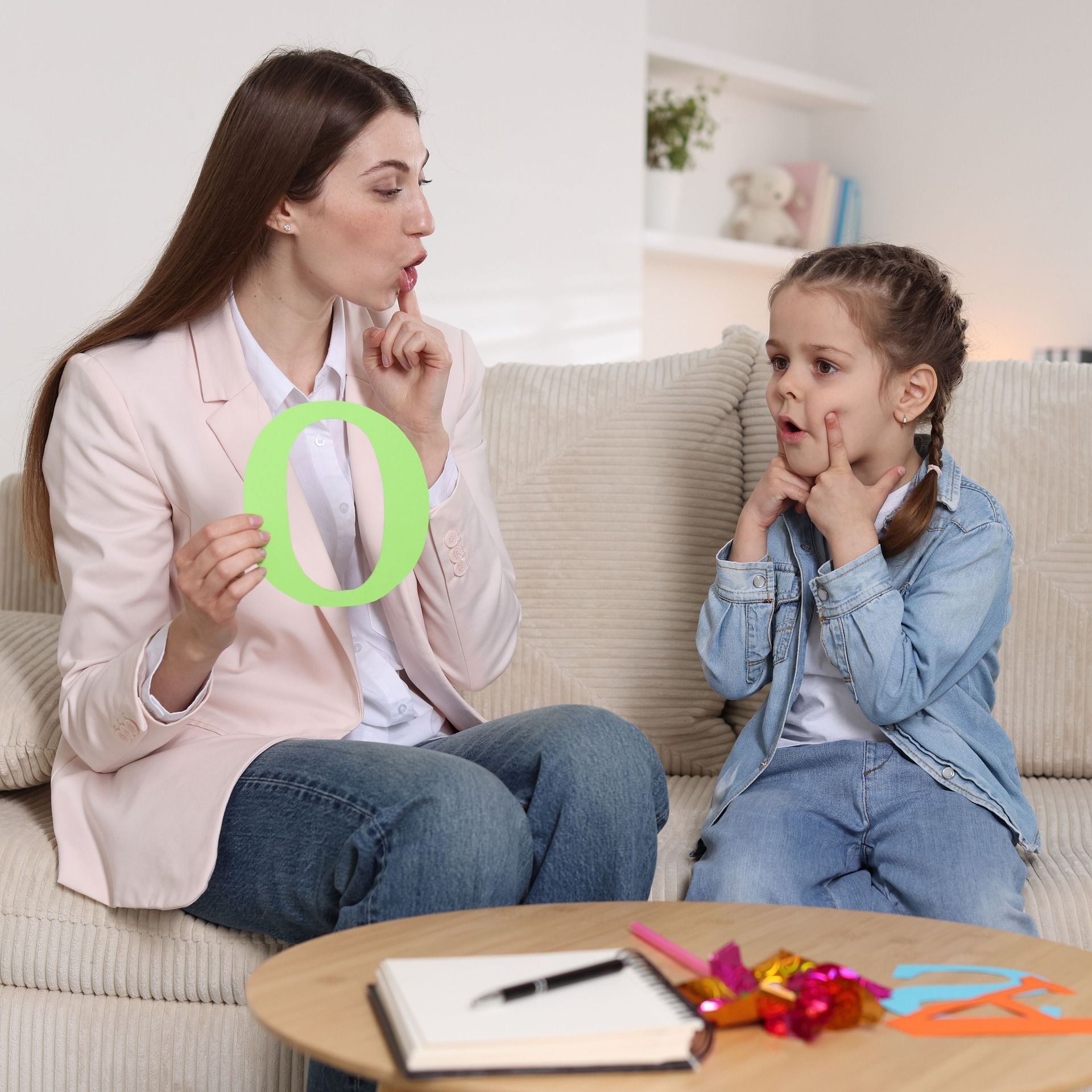
Good communication might therefore mean using shorter sentences, providing information in an Easy Read format, showing photographs, demonstrating something practically or giving the person additional time to respond.
Importantly, needing more time to understand something does not mean that a person has nothing to say.
Support workers should avoid talking over people, finishing their sentences unnecessarily or directing questions to relatives when the person themselves can participate. Wherever possible, communication should be with the person rather than about them.
Support should build independence, not dependence
Providing support does not mean doing everything for someone.
In fact, constantly stepping in can gradually reduce independence. If a person is capable of making their breakfast, choosing their clothes or completing part of a household task, doing it for them because it is faster may unintentionally take away an opportunity to maintain or develop a skill.
Good support looks for the right level of assistance.
Sometimes that means simply being available if help is needed. Sometimes it means prompting the person through the next step. At other times, more direct support will be necessary.
The aim is not independence at all costs. Everyone needs help sometimes. The aim is to provide enough support for the person to be safe and successful without taking over unnecessarily.
This approach is often described as doing with, rather than doing for.
Choice still matters when someone needs support
Having a learning disability does not remove a person’s right to have preferences, make decisions or take part in choices about their own life.
Everyday decisions matter. What would they like to wear? What do they want for dinner? How would they like to spend the afternoon? Who do they want to see? What activities do they enjoy?
People may need different types of support to make these decisions. Someone might understand two clear options more easily than a long list. Another person may benefit from seeing photographs or visiting a place before deciding whether they want to attend an activity.
The role of good support is not to make every decision for the person. It is to make decisions as accessible as possible so that the person can participate meaningfully.
Good support is ultimately about quality of life
Policies, care plans, risk assessments and procedures are all important. They help ensure that support is safe, consistent and accountable. But good care cannot be measured only by whether every task has been completed.
We also need to ask whether the person is being listened to. Are they treated with dignity? Do they have meaningful choices? Are their strengths encouraged? Do they have opportunities to develop skills, relationships and interests? Are they involved in their own life rather than simply being cared for?
Supporting someone with a learning disability is not about creating a life without challenge, choice or risk. It is about providing the right support so that the person can participate, develop, make choices and experience as much control over their own life as possible.
And that is an important principle to carry into every interaction: support should not simply help someone get through the day. Good support should help them have a life that is genuinely their own.