Autism Is a Spectrum — So Why Should Support Ever Be One-Size-Fits-All?
The word spectrum is central to how we talk about autism, yet support can sometimes still be approached as though autism describes one predictable set of needs.
It does not.
An autistic child may communicate confidently but find certain sensory environments extremely difficult. Another may communicate without spoken language and require significant support with everyday activities. One young person may actively seek friendships and social interaction, while another may prefer much less social contact. Some may need support for a few hours each week, while others have complex needs requiring considerably more intensive care.
Even two people with apparently similar needs on paper can experience the world very differently.
This is why good autism support cannot begin with a standard package based simply on a diagnosis.
It has to begin with the person.
At Intri-Care, our approach is based on a straightforward principle: support should fit around the individual, rather than expecting the individual to fit around the service.
A Diagnosis Does Not Tell Us Everything About a Person
Knowing that someone is autistic gives us important information, but it does not tell us who that person is.
It does not tell us how they prefer to communicate, what makes them anxious, whether they enjoy company, which environments they find difficult, what they want to achieve or what makes them happy.
It also does not tell us what they can do.
This becomes even more important when an autistic child or young person also has a learning disability, communication needs, physical health needs or behaviours that challenge.
Good support therefore requires a much broader understanding.
What does the person enjoy? What are their strengths? How do they express choice? What does distress look like for them? What helps them regulate? What relationships matter to them? What can they currently do independently, and where could appropriate support help them develop further?
These questions produce a very different picture from a diagnostic label alone.
UK guidance reflects this person-centred approach. NICE recommends that support for autistic children and young people takes account of individual needs and preferences, including communication needs, sensory sensitivities and the impact of the person's physical and social environment.
The principle is important: autism may help us understand the person, but it should never become the only thing we see.
The Spectrum Is Not a Straight Line
It can be tempting to think of the autism spectrum as a line running from "mild" to "severe".
Real life is much more complicated.
A young person may be highly independent in one area and need substantial support in another. They may cope extremely well in a familiar environment but struggle when routines change. They may have an extensive vocabulary but find it difficult to communicate when distressed.
Their needs can also vary from one day or situation to another.
A child who manages a busy activity when rested may find the same environment overwhelming after a difficult day at school. A young person who normally communicates verbally may use fewer words when anxious. Someone who usually manages a particular task independently may need additional support when they are unwell or experiencing significant change.
Support therefore has to be responsive rather than rigid.
The question should not simply be, "What level of support does this person receive?"
It should also be, "What support does this person need in this situation?"
Communication Must Be Individual
Communication is one of the clearest examples of why standardised autism support does not work.
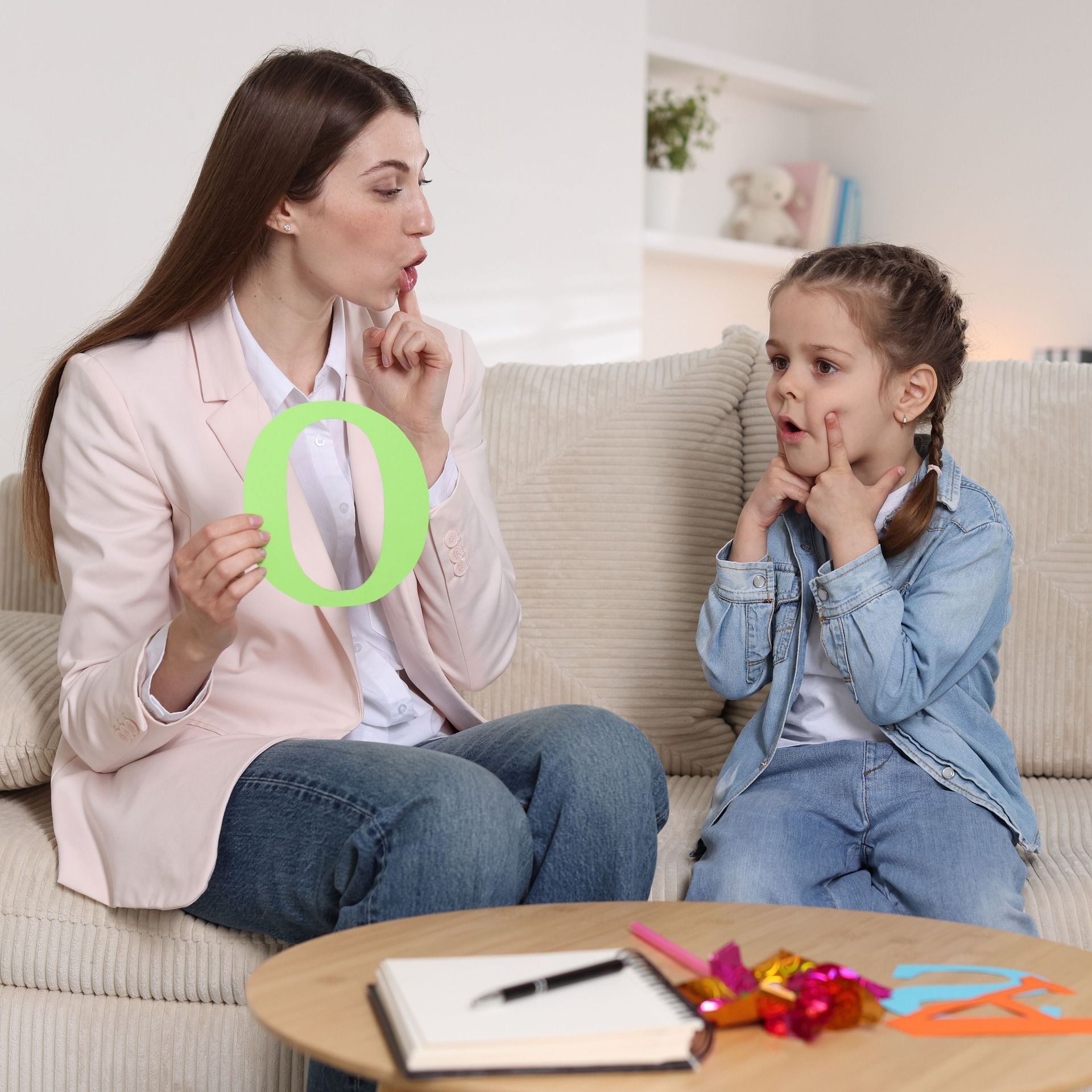
Some autistic young people communicate primarily through speech. Others may use signs, symbols, pictures, communication devices, gestures, behaviour or a combination of methods.
Even when someone speaks fluently, that does not necessarily mean communication is always easy.
They may interpret language literally, need additional processing time or find it difficult to identify and explain what they are feeling. When anxious or overwhelmed, their ability to process spoken information may decrease considerably.
Good support adapts accordingly.
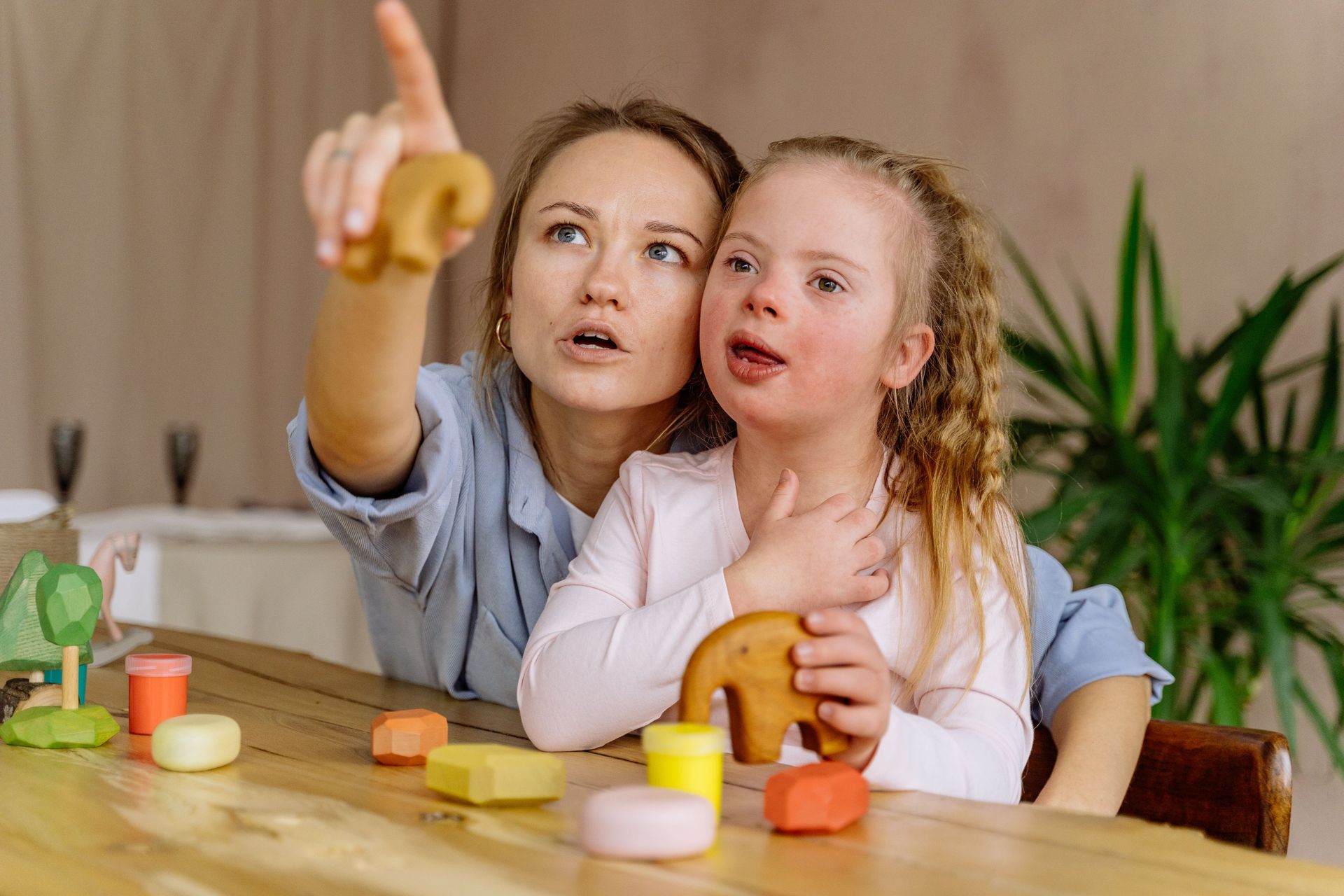
A support worker who knows the individual may understand that fewer words are helpful when the person is distressed, that visual information works better when introducing a new activity, or that silence does not necessarily mean agreement.
Most importantly, communication should not be reduced to getting the person to follow instructions.
Communication goes both ways.
The purpose is also to enable the young person to express preferences, refuse something, ask for help, make choices and influence what happens in their own life.
The Same Behaviour Can Mean Different Things
Individualised support becomes particularly important when someone displays behaviour that challenges.
Imagine two young people both refusing to enter a particular building.
The behaviour looks similar. The reason may be completely different.
One young person may remember a frightening experience there. Another may be overwhelmed by the noise inside. Someone else may not understand why they are being asked to enter. Another may be experiencing pain and simply unable to explain it.
Responding to all four people in exactly the same way because the observable behaviour is the same is unlikely to address the underlying need.
NICE guidance on behaviour that challenges emphasises identifying possible triggers and considering communication, physical and mental health, sensory factors, environmental conditions, routine and predictability.
This aligns closely with a low-arousal approach.
Rather than immediately asking how a behaviour can be stopped, support should consider what happened, what the person may be communicating and what needs to change.
Person-Centred Support Does Not Mean Having No Boundaries
Individualised care is sometimes misunderstood as allowing the person to do whatever they want.
That is not what person-centred support means.
Children and young people still need safeguarding, appropriate boundaries and support to understand and manage risk. Some individuals may have complex behavioural or clinical needs requiring carefully planned interventions.
The difference lies in how those decisions are made.
Restrictions should not be introduced simply because they make care easier for the adults providing it. Risk management should not automatically mean removing every opportunity that contains risk.
Instead, support should ask whether risks can be managed in ways that preserve as much choice, dignity and participation as reasonably possible.
This is especially important as autistic teenagers transition towards adulthood.
Growing up should involve increasing opportunities to make decisions, develop independence and discover personal interests. Having additional support needs should not mean being excluded from that development.
Different People Need Different Routes to Independence
Independence does not have one definition either.
For one young person, progress might mean travelling independently to college.
For another, it might mean choosing what to eat for lunch.
For someone with more complex learning and communication needs, independence could mean being able to indicate that they want an activity to stop.
All three matter.
If independence is measured only against what other people of the same age are doing, important progress can easily be overlooked.
Good support instead starts from the individual's current abilities and asks what greater control, participation or confidence could realistically look like for them.
Sometimes the best support is hands-on assistance. Sometimes it is prompting. Sometimes it is standing nearby while the person tries something themselves.
And sometimes good support means knowing when not to intervene.
Doing everything for someone may remove immediate difficulties, but it can also remove opportunities to learn.
Community Participation Should Be Personal Too
At Intri-Care, we believe children and young people should have opportunities to interact with and participate in the world around them.
But person-centred support means recognising that meaningful participation will not look identical for everyone.
Socialising does not have to mean attending a crowded group activity. Recreation does not have to involve conventional sports. Community participation does not have to mean spending an entire day somewhere unfamiliar.
One young person might enjoy a busy football match. Another may prefer a walk with one trusted support worker. Someone else might gradually build towards visiting a café, initially staying for only a short period.
The objective is not to create an arbitrary standard of what a "normal" social life should look like.
It is to discover what a meaningful life looks like to that person and help make it possible.
Families Know the Person Beyond the Care Plan
Individualised support also requires partnership with families.
Parents and carers often possess years of knowledge that cannot be condensed into a few pages of documentation. They may recognise subtle signs of discomfort, understand particular communication patterns and know which approaches have succeeded or failed in the past.
That knowledge should be respected.
At the same time, support should continue to recognise the young person as an individual whose own preferences and choices become increasingly important as they grow.
This can become particularly significant during the transition from adolescence to adulthood.
Good support brings these perspectives together: professional knowledge, family experience and, above all, the voice of the person receiving support.
Consistency Helps Us Understand the Individual
Personalised support also depends on relationships.
It is difficult for a support worker to understand someone's subtle communication patterns, sensory needs, triggers and preferences if they barely know them.
That is why continuity can be particularly valuable.
At Intri-Care, we work with small teams who invest time in getting to know the individuals they support. Familiarity helps staff recognise what is typical for that person and when something has changed.
It can also create trust.
For a young person who finds unfamiliar people or unpredictable situations difficult, knowing who will be supporting them can remove one source of uncertainty from their day.
Consistency does not mean that the person becomes dependent on one particular support worker. Rather, a well-coordinated small team can provide familiarity while ensuring that knowledge about the individual is shared appropriately.
The Right Support Should Change as the Person Changes
Person-centred care cannot be created once and then left unchanged.
Children grow. Skills develop. Interests change. Family circumstances change. New challenges emerge.
A support plan that was appropriate at 13 may not reflect what that person needs at 16 or 19.
Transitioning teenagers are a particularly important example.
As adulthood approaches, support should increasingly consider future independence, community participation, relationships, education, employment possibilities where appropriate, health needs and the person's own aspirations.
Sometimes this means providing more support during a difficult transition.
At other times, success means gradually providing less.
A genuinely individualised service should be able to recognise both.
There Is No Standard Autistic Person — So There Should Be No Standard Autism Support
Good autism support is not about applying an autism programme to a person.
It is about understanding this child, this teenager or this young adult.
Their communication.
Their sensory experience.
Their strengths.
Their relationships.
Their risks.
Their interests.
Their ambitions.
And the things that make life meaningful to them.
Across Cheshire and Merseyside, Intri-Care provides bespoke support for children, young people and transitioning teenagers, including individuals with autism, learning disabilities, complex behavioural needs and sensory needs. Our approach combines person-centred planning with consistent support, family partnership, community engagement and trauma-informed, low-arousal practice.
The level and type of support may look different from one person to another.
That isn't inconsistency.
That is what person-centred care is supposed to look like.