
Managing Family Stress: How to Set Healthy Boundaries During the Festive Season
The body content of your post goes here. To edit this text, click on it and delete this default text and start typing your own or paste your own from a different source.
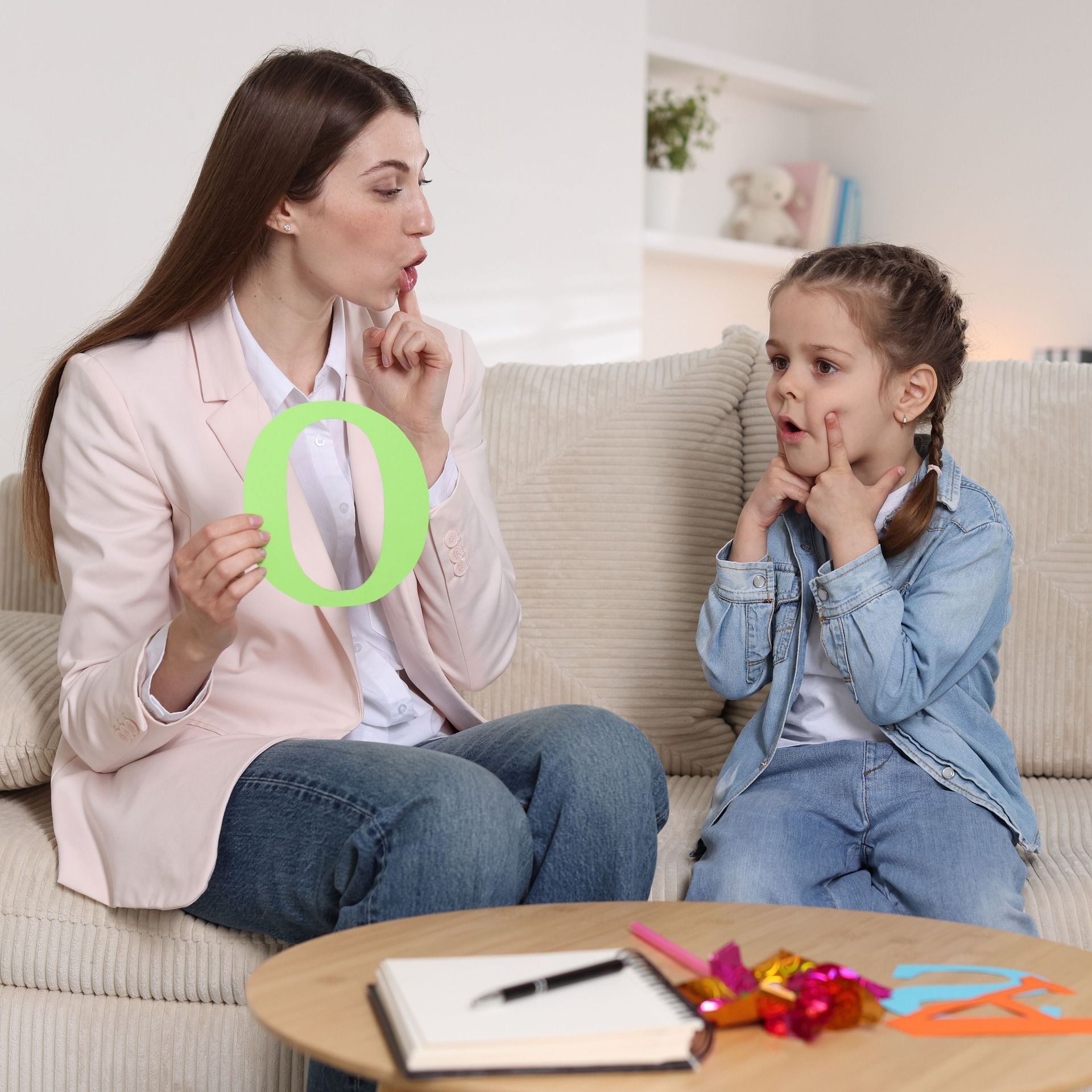
When someone with a learning disability receives support, there are often several people involved in their life. Family members may have known them since childhood, while support workers bring professional knowledge, experience and a responsibility to provide safe, person-centred care. When these relationships work well, everyone benefits — most importantly, the person receiving support. But good partnership does not happen automatically. Families and support workers can sometimes see situations differently. There may be disagreements about routines, independence, risk, communication or what is best for the person. Effective partnership is not about everyone agreeing all the time. It is about keeping the person at the centre, communicating respectfully and recognising what each person brings to the relationship. Families often hold valuable knowledge Families can be an invaluable source of information. They may know how the person communicates when they are anxious, what foods they dislike, which routines help them feel comfortable or what situations they find overwhelming. They may recognise small changes in behaviour that someone less familiar with the person could easily miss. This knowledge can be particularly important when someone has complex communication needs. Support workers should therefore avoid treating family involvement as interference. Listening to families can help build a much fuller understanding of the individual. At the same time, family knowledge should support person-centred care rather than replace the voice of the person receiving support. As people grow and experience different environments, their preferences can change. Something they enjoyed several years ago may no longer interest them. The individual remains at the centre. Support workers bring a different perspective Support workers also bring important knowledge to the relationship. They may have experience supporting independence, communication, positive risk-taking and daily living skills. They work within care plans, safeguarding responsibilities and professional boundaries, and may notice abilities that have not previously been encouraged. For example, a family member may have spent years preparing meals for someone because they believed it was safer. A support worker may discover that, with the right equipment and supervision, the person can prepare parts of a meal themselves. That can sometimes feel uncomfortable for families. A parent or relative may naturally want to protect someone they love, particularly if that person has previously experienced difficulties or is vulnerable to harm. Support workers need to recognise where those concerns come from rather than dismissing them. At the same time, good support may involve carefully encouraging greater independence where this is appropriate. Communication prevents many problems Many disagreements become more difficult because communication happens too late. A family may notice a change in behaviour but assume staff have already recognised it. Support workers may introduce a new approach without fully explaining why. Small misunderstandings can then become bigger concerns. Regular, clear communication helps prevent this. Important information should be shared through the appropriate channels, particularly when it relates to health, wellbeing, behaviour, medication, safeguarding or significant changes in routine. Communication should also be factual and respectful. Instead of saying someone “was difficult today”, it is more useful to explain what happened, what was observed, what may have contributed to the situation and how the person was supported. Specific information helps everyone understand what is actually happening. Respect professional and personal boundaries Working closely together does not mean that professional boundaries disappear. Support workers may develop warm relationships with individuals and their families, but they still have professional responsibilities. Confidentiality, safeguarding procedures, organisational policies and agreed care plans must be respected. Similarly, families should know who to contact if they have concerns and how decisions about support are made. Clear boundaries actually make relationships easier. Everyone understands their role, how information should be shared and what to do when something needs to be addressed. This is particularly important when different relatives have different opinions. Support workers should avoid becoming caught in family disagreements or informally taking sides. The focus should remain on the person’s needs, wishes, rights and agreed support. What happens when people disagree? Disagreement is not necessarily a sign that the relationship has failed. Families and support workers may genuinely have different views about what is appropriate. One person may be more concerned about safety, while another may place greater emphasis on independence. Rather than asking, “Who is right?”, it can be more helpful to ask, “What is the concern, and what does the person themselves want?” Suppose someone wants to begin travelling more independently. Their family may worry that they could become lost or vulnerable. Support workers may believe that developing travel skills would increase confidence and independence. Both perspectives can be understandable. The solution might be to introduce independence gradually: practising the route together, using a phone or travel card, identifying safe places to ask for help and reviewing progress before reducing support. Good partnership looks for workable solutions rather than turning different perspectives into a battle. Consistency makes support stronger People with learning disabilities can sometimes receive mixed messages when families and support workers approach things differently. For example, support workers may encourage someone to complete a household task independently while family members automatically do it for them. Neither side necessarily intends harm, but inconsistent approaches can make it harder for the person to develop confidence and skills. Where appropriate, agreeing on shared approaches can help. If someone is learning a new skill, everyone involved can understand what they are working towards, what level of prompting is helpful and when assistance should be provided. Consistency does not mean every interaction must be identical. It means that the people supporting the individual understand the overall goals and are working in broadly the same direction. Keep returning to the person Perhaps the most important principle is also the simplest: the relationship between families and support workers exists to support the individual. It should never become primarily about what the family wants, what staff prefer or what makes the routine easiest. The person with the learning disability should be involved as much as possible in conversations and decisions about their life. What do they want? What matters to them? What are they trying to achieve? What makes them feel safe, valued and respected? Families may bring years of personal knowledge. Support workers bring professional skills and a different perspective. When these strengths are combined with the individual’s own voice, support can become more consistent, informed and genuinely person-centred. The strongest partnerships are not necessarily those where nobody ever disagrees. They are the ones where people can communicate openly, respect each other’s roles and work through differences without losing sight of the person at the centre. Because ultimately, families and support workers are not there to compete over who knows best. They are there to work together so that the person receiving support has the best possible opportunity to live a safe, meaningful and fulfilling life on their own terms.
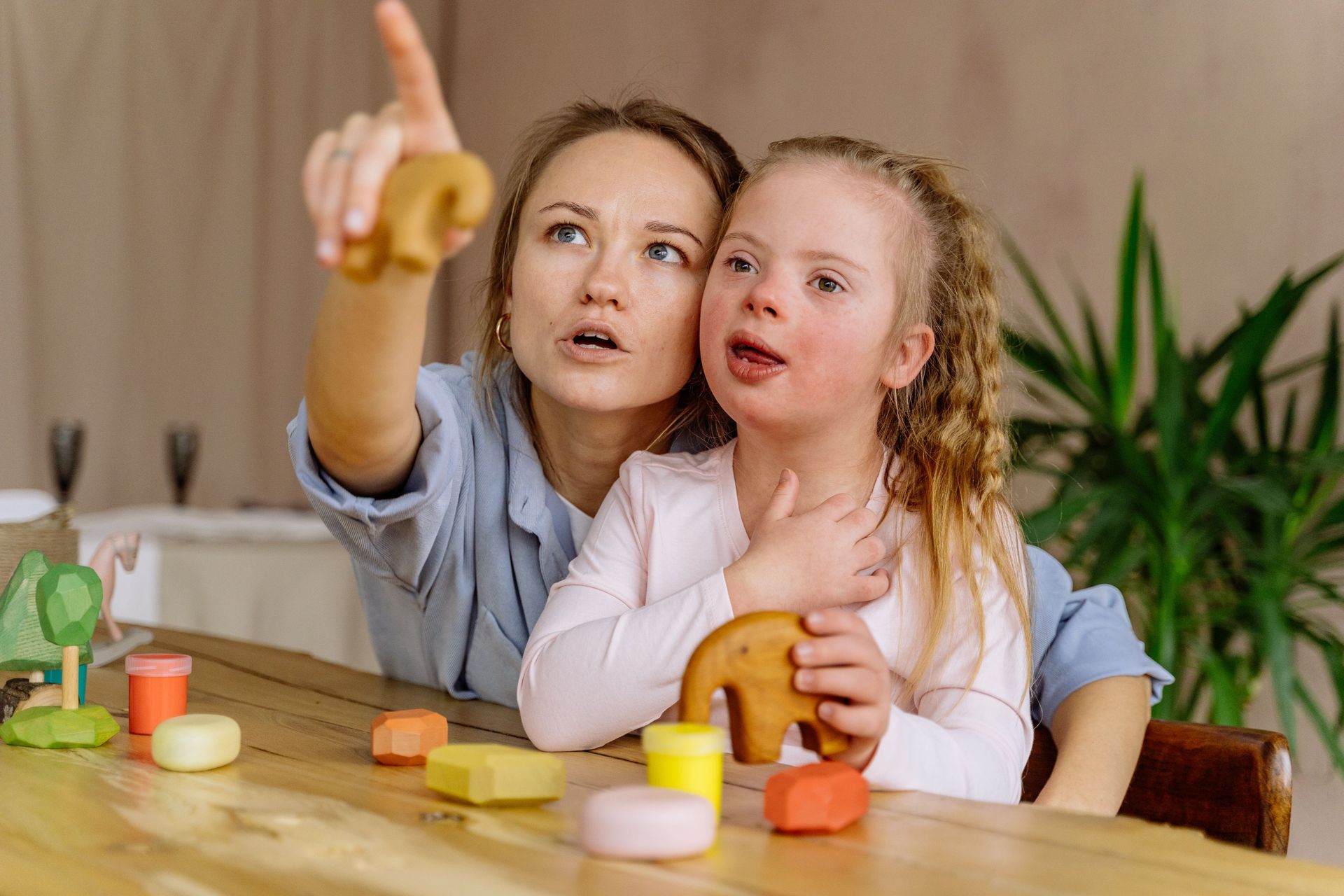
Making choices is such an ordinary part of life that we often barely notice we are doing it. What should I wear today? What do I want for lunch? Do I want to go out or stay home? Who do I want to spend time with? Should I buy this or save my money? For people with learning disabilities, these everyday choices matter just as much. Having a learning disability does not mean that someone stops having preferences, opinions or the right to influence what happens in their own life. However, some people may need additional support to understand information, consider different options or communicate their decision. The role of good support is not to make choices on the person’s behalf simply because that is easier. It is to make choice and decision-making as accessible and meaningful as possible. Choice is about more than asking a question It is easy to say that someone has been given a choice because we asked, “What would you like?” But was the question understood? Did the person know what their options were? Were those options presented in a way they could understand? Did they have enough time to respond? Meaningful choice requires more than simply asking the question. Imagine asking someone what they would like for dinner and giving them six options in one long sentence. A person who finds processing information difficult may struggle to remember all six choices. Showing two options at a time, using pictures or showing the actual foods might make the decision much easier. The choice has not changed. The way the choice is presented has. This is an important part of supporting people with learning disabilities: adapting information rather than assuming that difficulty understanding one form of communication means the person cannot decide. Everyday choices are important We sometimes think about decision-making only when major issues arise, such as healthcare, finances or where someone lives. These decisions are important, but so are the smaller choices that shape everyday life. What time would the person like to get up? What clothes do they want to wear? Would they prefer tea or coffee? What music would they like to listen to? Would they like to join an activity? When people receive support every day, it can be surprisingly easy for routines to begin making these decisions for them. Perhaps breakfast is always served at the same time because that is the established routine. Maybe a particular activity happens every Tuesday because it appears on the schedule. Over time, support can become organised around what is convenient for the service rather than what the individual actually wants. Good support regularly checks whether routines still reflect the person’s preferences. Communication can make choice possible People communicate decisions in different ways. Some people will tell us exactly what they want. Others may use signs, pictures, communication aids, gestures, facial expressions, sounds or behaviour. Someone who does not use spoken language may still communicate very clearly when the people supporting them understand how they express themselves. This makes knowing the person particularly important. A family member or long-standing support worker may recognise that a particular expression means discomfort, excitement or refusal. Care plans and communication profiles can also help ensure that this knowledge is shared between the people providing support. At the same time, we should be careful not to interpret everything on someone’s behalf. Where possible, the individual should remain at the centre of the conversation. Give people time to decide Not everyone processes information at the same speed. A person with a learning disability may need additional time to understand a question and formulate their response. Repeating the question quickly, changing the wording several times or answering for them can actually make communication more difficult. Sometimes the most helpful thing a support worker can do is wait. Giving someone ten or twenty extra seconds may feel like a long pause in conversation, but it can provide the processing time they need. For more complicated decisions, the person may need much longer. Information might need to be discussed more than once or provided in an accessible format so they can consider it properly. Supporting decision-making should not become a race to obtain an answer. Be aware of influence People who provide support often have significant influence, even when they do not intend to. Consider the difference between saying, “Would you like to go to the park or the café?” and saying, “You want to go to the café, don't you?” The second question already suggests the answer we expect. Influence can also be more subtle. Facial expressions, tone of voice or repeatedly questioning a decision can make someone feel that they have chosen incorrectly. If a person chooses something we would not choose ourselves, our first reaction should not automatically be to change their mind. People with learning disabilities are entitled to have preferences that are different from ours. Choice also includes the right to say no Supporting choice means accepting that the answer will sometimes be “no”. Someone may not want to participate in an activity that has been planned. They may dislike a particular food. They may not want to socialise at that moment. Where there are genuine concerns about health, safety or a person’s ability to make a particular decision, further consideration may be necessary. But disagreement alone does not mean that someone is incapable of making a choice. This is especially important in care environments, where it can be easy for cooperation with routines to be mistaken for good behaviour. Person-centred support is not about getting people to comply. It is about understanding their wishes and supporting them appropriately. Good decision-making support creates control Choice and independence are closely connected. When people are supported to make decisions, they have greater control over their lives. Sometimes that will involve significant decisions. More often, it will happen through dozens of small interactions throughout the day. Each time we explain information clearly, offer genuine options, give someone time to respond or respect a preference that differs from our own, we reinforce an important message: your opinion matters and this is your life. That is at the heart of good support. People with learning disabilities may sometimes need help understanding their options or communicating what they want. Our job is not to remove decision-making because it is difficult. It is to find ways of making participation possible. Because meaningful choice is not an optional extra in good care. It is a fundamental part of treating someone as an individual, respecting their rights and supporting them to have genuine influence over the life they live.

Independence means different things to different people. For one person, it might mean living in their own home and managing most aspects of daily life without assistance. For someone else, it might mean choosing what to wear, preparing part of their own meal, travelling with support or deciding how they would like to spend their day. For people with learning disabilities, promoting independence is not about expecting everyone to manage without help. It is about recognising what each person can do, what they would like to learn and where the right support can help them have greater control over their own life. The important word is support . Our role should be to enable, rather than automatically take over. Independence does not mean doing everything alone We sometimes think of independence as the ability to do something completely by ourselves. In reality, most of us rely on other people in different ways. We ask for advice, use technology, pay professionals for services and turn to family and friends when we need help. Someone with a learning disability may need more structured or regular support, but that does not mean they cannot be independent. A person who needs help reading a recipe may still be able to prepare their own meal. Someone who cannot manage money calculations independently may still be able to choose what they want to buy. A person who needs support when travelling may still decide where they want to go. Independence is therefore not simply about how much support a person receives. It is also about how much control, participation and choice they have within that support. Start with what the person can do It can be tempting to focus on what someone struggles with, particularly when we are responsible for their care or safety. However, good support begins with strengths. What can the person already do confidently? Which tasks can they complete with a little prompting? What would they like to be able to do for themselves? Understanding this helps us provide the right level of support. Imagine someone who is learning to make a cup of tea. They may be able to choose their mug, put in the teabag and add milk, but need assistance when handling boiling water. Supporting independence does not mean either leaving them to manage a risk they cannot safely handle or making the entire drink for them. Instead, the task can be broken down so that the person does as much as they can while receiving support where it is genuinely needed. Over time, their abilities may develop and the amount of support required may change. Be careful of doing too much One of the less obvious barriers to independence is over-support . Support workers and family members usually step in because they want to help. It may also be quicker and easier to complete a task ourselves. If someone takes ten minutes to button their shirt, prepare breakfast or tidy their room, doing it for them might save time. But saving time is not always the same as providing good support. When people repeatedly have tasks done for them, they can lose opportunities to practise skills. Over time, this can create greater dependence rather than greater independence. Sometimes good support means being patient enough to wait. It may mean allowing someone to try, make a small mistake, correct it and try again. The support worker can remain available without immediately taking control. A useful principle is to provide the least amount of support necessary for the person to succeed safely . Build skills into everyday life Promoting independence does not always require formal training sessions. Everyday life provides opportunities to build and maintain skills. Cooking can develop practical skills, sequencing and confidence. Shopping can involve communication, money awareness and decision-making. Household tasks can build responsibility and routine. Going into the community can help someone become more familiar with local places, transport and social situations. The key is participation. Instead of asking, “What can I do for this person?” we can ask, “What part of this can the person do themselves?” This small change in thinking can have a significant impact. Someone may begin by helping to prepare one part of a meal and gradually learn to prepare more. A person who initially needs support throughout a shopping trip might eventually need only help with payment. Progress does not have to be dramatic to be meaningful. Positive risk-taking is part of independence Promoting independence also means accepting that life involves some risk. Naturally, support workers and families want people to be safe. However, trying to remove every possible risk can also remove opportunities for learning, confidence and independence. Consider someone who wants to learn to travel to a local shop. Saying “no” because travelling involves risk may keep the person physically safe, but it may also prevent them from developing an important life skill. A better approach is to ask how the activity can be made reasonably safe. Perhaps the route can be practised together, important landmarks identified and a plan agreed for what to do if something goes wrong. This is the idea behind positive risk-taking : recognising risks, managing them appropriately and balancing safety with the person’s right to participate in everyday life. Confidence matters too Independence is not only about practical ability. Confidence plays an enormous role. People who have repeatedly been told that they cannot do things may eventually stop trying. By contrast, encouragement and genuine opportunities to succeed can help someone develop confidence in their own abilities. That does not mean offering unrealistic praise or pretending a task is easy when it is not. It means recognising progress, encouraging effort and allowing the person to experience the satisfaction of doing something for themselves. Even small achievements can matter. Making breakfast independently, choosing and paying for an item in a shop, remembering part of a routine or completing a household task may seem ordinary. But ordinary activities are often exactly where independence is built. Independence should belong to the person Ultimately, promoting independence is not about making someone fit our idea of what an independent person should look like. Not everyone will want the same things, and not every person will achieve the same level of independence. Goals should reflect the individual’s abilities, preferences, circumstances and aspirations. The question is not simply, “Can we teach this person to do more things alone?” A better question is: “How can we support this person to have more control over the things that matter to them?” Sometimes the answer will involve learning a new skill. Sometimes it will mean providing equipment, adapting communication or changing the way support is delivered. And sometimes it will simply mean stepping back and giving the person enough time and space to do something they are already capable of doing. Good support does not measure success by how much we do for someone. Very often, success can be seen in how much the person is increasingly able — and confident enough — to do for themselves